SAIAN

POSITIVITY

dasha saian

Showing posts with label exercise. Show all posts

Thursday, June 29, 2017

Fact or Fiction - Facial Exercises Can Help Prevent Sagging Skin

How many of us have heard about facial exercises or face yoga, but are unsure if these methods really work for tightening sagging skin? There are a number of YouTube tutorials, as well as books on the subject, and miscellaneous information available online, which may confuse the general public. Articles in Cosmopolitan and Marie Claire boast facial exercise as an effective solution to a younger face – if muscle training works to strengthen the body, it must work the same way on the face, right?
Face yoga expert Danielle * says: “The exercises work the hypodermis or the lower layer of the skin, the dermis or the middle layer and the epidermis or the upper layer. By working all these layers correctly it will increase the blood circulation, allowing more oxygen and more nourishment to reach the cells of the skin. The result is a clear, healthy complexion with a beautiful glow which has less toxins and has a better ability to absorb moisture.”
The reality is, there has been absolutely no research confirming this to be true. On the contrary, plastic surgeons unanimously agree that facial exercises can indeed cause deeper expression lines, and more wrinkling, but why?
The hypodermis (subcutaneous tissue) is mostly made up of fat tissue and fibrous bands that anchor your skin to the deep fascia. This layer may vary in the body from very minimal, such as in areas of the eyelids, or as a thick layer as in the fat around the abdomen and waist. Hypodermis aging is observed by the loss of fat tissues which affects the shape of our face, neck and hands, i.e. sagging skin. Our cheeks and eye sockets may hallow out, and the skin on the neck, breasts and hands may lose its firmness.
Muscular stimulation by facial exercise doesn’t correct this issue, furthermore, more expression lines are created in the areas where the hypodermis is thinnest. Through repeated strenuous facial muscle engagement, more lines are formed in the same way crow’s feet, marionette lines and forehead wrinkles are created naturally.
What methods actually work to reduce sagging skin? Manual facial stimulation such as Dien Chan multireflexology, facial acupressure, facial acupuncture and European massage are all effective at toning the facial muscles and stimulating circulation, which gives a plump, revived appearance to sagging skin. There are also numerous devices to tone and lift sagging skin, including microcurrent machines, phototherapy LED, and Radio Frequency modalities. In a medical setting, machines such as ThermiTight, ThermiSmooth, IPL, Fractional laser are all beneficial in tightening the skin, without surgical involvement.
Topical products based on hyaluronic acid, peptides and growth factors hydrate and nourish the skin, giving it a supple and youthful glow. In addition to anti-aging products, regular use of sunblock protects the skin from sun damage and elastosis.

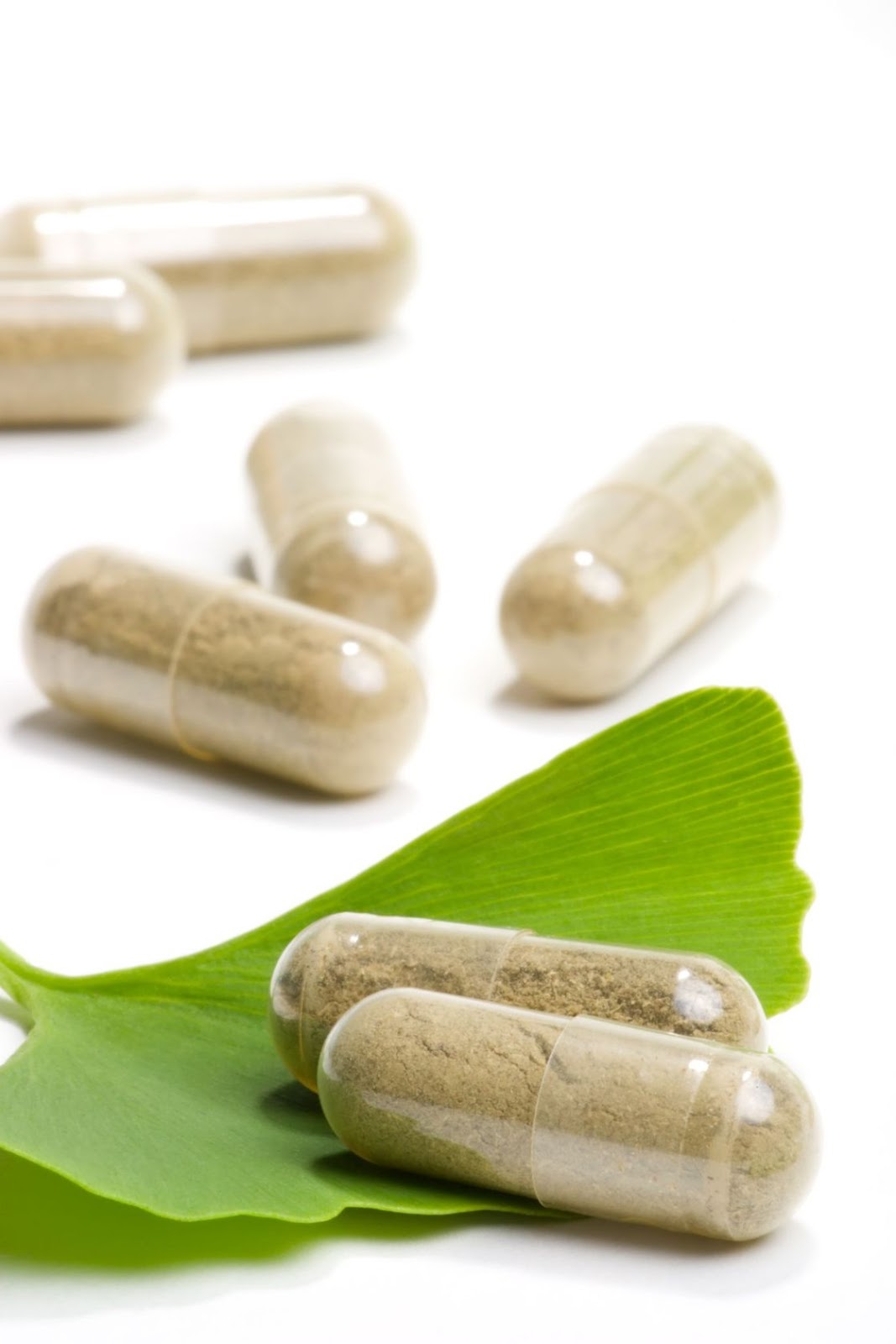
Hyaluronic acid supports the structure of connective tissue by acting as a water magnet to maintain extra-cellular fluidity. HA forms a viscous fluid with exceptional lubricating properties necessary for the vital functions of many parts of the human body including the skin. If sagging skin is a concern, 200mg of hyaluronic acid may be taken as a dietary supplement, as well as 6000 mg of bioactive collagen types 1 & 3.

Sunday, December 20, 2015

Lowering Blood Pressure Naturally - 3 Weeks to a Healthier New You!

http://saian.net/product/enzyme-mask/Seeing my grandmother's medication list is quite depressing - there are medications to lower cholesterol, to reduce tremors, to dilute blood, to lower blood pressure... and about 20 more pills to reduce the side effects of each of the major pills.  If left untreated, hypertension can dramatically increase your risk for heart attacks, strokes and peripheral arterial disease.  As we age, it is important to turn to the natural remedies first, before committing to medications that can throw off the body's hormones, alter the sleep cycle, weaken nerve endings, change neurotransmitter activity, induce muscle atrophy, and cause the thyroid to go "out of whack". Your body is a very finely-tuned instrument, and it will try to repair itself whenever something is wrong - you just have to know what to feed it.

Before giving any advice regarding supplements and diet, I have to remind you that all bodies are different, and that all systems work for some people. There is no need to frantically purchase all the items I list in the article, but incorporating some of these supplements, foods, and exercises into your daily routine will greatly benefit you!

Becoming more active can lower the systolic blood pressure (the top number in a blood pressure reading) by an average of 4 to 9 millimeters of mercury (mm Hg) - that's as good as some blood pressure medications. Healthy blood pressure can be maintained by engaging your body in regular exercise- walking, taking the stairs instead of the elevator, and deep breathing can all be extremely beneficial.

Reducing sodium and alcohol, as well as adding supplements to the diet are great ways to keep your readings low. Here are my supplement suggestions for regulating blood pressure naturally:

Vitamin D-3
Consider taking 5,000 IU of vitamin D-3 daily. Getting enough sunshine throughout the day, and monitoring your blood D-3 levels is always a great idea. Research shows that vitamin D-3 plays a very important role in preventing disease and maintaining optimal health. We have about 30,000 genes in our bodies, and vitamin D-3 affects nearly 3,000 of them. Your skin creates same D-3 in response to sunlight as the D-3 you get from an oral supplement, and it’s much safer than tanning!

Vitamin K-2
More than 90% of the Nation is deficient in vitamin K. This vitamin is abundant in Japanese fermented natto, but can be purchased as a supplement over the counter. 100 mcg per day of vitamin K-2 is enough to help make your bones stronger, increase vascular health, and support the immune system!

Omega 3
Make sure you’re taking Omega 3 oils daily – I recommend 2 soft gels a day, each with 180 EPA / 120 DHA. While doing my cancer research for mom, I came across Johanna Budwig - based on her work on fatty acids she developed a diet that she believed was useful in the treatment of cancer. She was a German biochemist, pharmacist and held doctorate degrees in physics and chemistry. Budwig was nominated for the Nobel Prize 6 times, and her genius recipe is still reviving patients, and helping them live longer. You can look up the “Budwig Diet” for additional info and recipe.

Potassium
This mineral is essential for our body's functions - it supports electrolyte mineral balance, strengthens the heart muscle, and supports nerve conduction. Many population studies have found links between low potassium intakes and an increased risk of high blood pressure and death from stroke. If you're active, you should know that a lot of potassium is lost in heavy sweating. The loss of potassium from the cell will result in intra-cellular water loss - dehydration that will become chronic unless more water and some high potassium-containing foods are added to the daily diet. Continued pattern of potassium loss from the body will result in excess sodium retention by the kidneys and the first stages of high blood pressure, raised cholesterol, heart disease and irregular pulse will ensue.

By eating more fruit (bananas, raisins, dried apricots) and vegetables (potatoes, yams, kale, beets), you will increase your potassium levels and help to restore the balance. This will help your kidneys to work more efficiently - and help to lower your blood pressure to a healthy level. Supplements are available in 99mg, and can be taken 1-5 times daily with food.

CoQ10 
Coenzyme Q-10 is a natural substance found in every cell of the human body. In our mid twenties its activity decreases, so we need to maintain healthy levels of it with supplements. Naturally occurring in the tissue of plants, CoQ10 (also known as “ubiquinone”) is a vitamin-like anti-oxidant that boosts cellular activity. CoQ10 is an critical antioxidant that not only neutralizes free radicals, but is also important in energy production (ATP). CoQ10 helps the body in many other ways like reducing high blood pressure, cholesterol, reverse neuro-degenerative disease, prevent heart diseases. CoQ10 is known to be taken as high as 1000mg/day without side effects!

Saturday, September 26, 2015

Nutrition for 2016 - New Trends in Health

Being an esthetician, and a certified nutrition and wellness consultant for almost a decade, I have an immense passion for health and beauty, and an insatiable hunger for knowledge. I have always been a dedicated proponent of the organic and holistic lifestyle, so when tragedy struck in my family, I had no choice but to rise up to the occasion and educate myself as best as I could.

For the past three years, I have been doing research to support my mother through her fight with the most aggressive brain tumor – grade IV Glioblastoma. These few years have taught me to appreciate the fragility of human health, and to never compromise the well-being of my body in search of vanity. I have some valuable information to share with you, and I hope my advice is helpful to you on your path to optimum wellness.

My mentor, Louise L. Hay believes that all systems work well for different people, so the key is finding a balance. There is no need to frantically purchase all the items I list in the article, but incorporating some of these supplements, foods, and exercises into your daily routine will greatly benefit you!
A number of years ago, my mother was giving keynote lectures on candidiasis, and the importance of alkalizing the body. Now, as 2016 approaches, more and more people are becoming aware of this diet plan, and are healing themselves of acne, candida, gut issues, headaches, weight issues, fatigue, and many other health problems. The goal to this nutritional approach is alkalizing the body by properly balanced pH food combinations. This way of eating stresses the repopulation of the gut with friendly bacteria, especially after antibiotics, by using fermented vegetables and kefir, and it allows you to fully enjoy food without feeling bloated, fatigued, or spaced out. The key is eliminating all sugar, alcohol, caffeine, dairy, and bread from the diet, and following the 80/20 principle. The 80/20 principle states that 80% of the food on your plate must be alkaline (green leafy vegetables, cruciferous vegetables, sea kelp) and 20% of the food or less can be acidic (meat, grains, etc). Another important element is only eating until the stomach is 80% full, leaving 20% empty for comfortable digestion. In other words, stop before you feel full.

A great new idea is to try new fermented foods containing probiotics. Foods such as sauerkraut, kimchi, kombucha, miso, microalgae, and kefir contain friendly bacteria that will populate your gut, and create a healthy intestinal flora. 

For a daily supplement, I recommend Jarrow’s formula probiotics – shelf stable capsules with 5 billion viable cells per capsule. The formula contains all the beneficial bacteria your gut needs:
Lactobacillus rhamnosus R0011, Pediococcus acidilactici R1001, Bifidobacterium longum BB536, Bifidobacterium breve R0070, Lactobacillus helveticus (L. acidophilus) R0052, Lactobacillus casei R0215, Lactobacillus plantarum R1012, Lactococcus lactis ssp. lactis R1058
I also recommend taking certain key vitamins daily. Unlike most other mammals, we do not have the ability to make vitamin C, which means it needs to be added to your diet. In addition to being a powerful anti-oxidant, vitamin C plays a key role in collagen, serotonin, and carnitine production, vasodilation, and lowering blood pressure. 1,000 mg once daily is sufficient.

Also, consider taking 5,000 IU of vitamin D-3 daily. Getting enough sunshine throughout the day, and monitoring your blood D-3 levels is always a great idea. Research shows that vitamin D-3 plays a very important role in preventing disease and maintaining optimal health. We have about 30,000 genes in our bodies, and vitamin D-3 affects nearly 3,000 of them. Your skin creates same D-3 in response to sunlight as the D-3 you get from an oral supplement, and it’s much safer than tanning! 

More than 90% of the Nation is deficient in vitamin K. This vitamin is abundant in Japanese fermented natto, but can be purchased as a supplement over the counter. 100 mcg per day of vitamin K-2 is enough to help make your bones stronger, increase vascular health, and support the immune system!
Make sure you’re taking Omega 3 oils daily – I recommend 2 soft gels a day, each with 180 EPA / 120 DHA. While doing my cancer research for mom, I came across Johanna Budwig - based on her work on fatty acids she developed a diet that she believed was useful in the treatment of cancer. She was a German biochemist, pharmacist and held doctorate degrees in physics and chemistry. Budwig was nominated for the Nobel Prize 6 times, and her genius recipe is still reviving patients, and helping them live longer. You can look up the “Budwig Diet” for additional info and recipe.

Mushrooms also play a big part in reducing inflammation that causes stress, fatigue, brain fog, weight gain, acne, and many other issues. My favorite blend is Aloha Medicinals Immune Assist Critical Care Formula – certified organic full spectrum mycoproducts. Each 6 capsule dose provides 1500 mg of a complex profile of beta-glucans, nucleosides and other bio-active compounds extracted from six different well known medicinal mushroom species.

I also take bio-curcumin (derived from turmeric) for brain health, and prevention of brain tumors. I believe in turmeric with all my heart, and think it is a truly amazing substance! 

Organic and natural food is extremely important, and plays a tremendous part in our body's functions, pH balance, weight, hormone levels, digestion, and mood. Eating right, and taking the right supplements is a step in the right direction, but a systematic lifestyle of healthy nutrition and exercise is the key to longevity and vitality! There is no one exercise plan that is perfect for everyone, but I believe in 3 key elements of physical activity which strengthen, lengthen, tone, and condition the body, and when practiced often, give the best overall results! 

1. Aerobic exercise, such as brisk walks, jogging, dancing, trampoline, bicycle, swimming, and anything else that gets you breathing and oxygenating the body, as well as your blood circulating and moving stagnation. Obesity is a 21st century epidemic in America, and with lack of aerobic exercise, the body can amass a fat padding not only on the outside, but even around the internal organs! All forms of aerobic exercise help to massage the colon, and move waste matter out of the body, therefore detoxifying and cleansing. While we are healthy and strong, we need to adapt to an exercise routine that will build up our endurance, so in the unpredicted case of general anesthesia (GA), the risks of anything going wrong will be minimal. Aerobic exercise is wonderful conditioning for the body - once you get used to this sort of fast paced physical activity, you will never walk up a flight of stairs huffing and puffing ever again! Personally, I never take the elevator - stairs are a great way to get some exercise in during your workday or while running daily errands!

2. Weight training! I hear many opinions on this topic, especially women who are afraid of weight training, thinking that they will look bulky and masculine. Don't fear this form of exercise, because it's a guaranteed method for strengthening muscles, toning flabby areas, and conditioning the body. You don't have to use heavy weights, that is not the most important factor. It's more important to keep correct form, and do these exercises slowly. Never do jerky movements, never strain yourself, and remember to keep your knees softly bent when working with a barbell or free weights. When your muscles are firm, they will hold your internal organs in place, keep your back straight, and burn more calories than fat, even while at rest. 
3. Stretching is incredibly important! I know it may seem useless for most of us to be able to bend over and touch our toes, but believe me, it is essential! Our spine is like a doric column supporting the roof of the Parthenon, except our column (spine) has our spinal cord running through it. Have you been to the chiropractor for an adjustment? He will roll you from side to side, stretch you out, and alleviate any pinching of the nerves that may have occurred in your spine. With regular stretching, you help yourself by allowing the spinal fluid flow freely, reducing the pinched nerves, and lengthening the muscles. Stretching also reduces the buildup of lactic acid in the body, and helps move stagnation. When we get older, with no stretching or weight training, the back can start to collapse forward, forming a hunch which can cause the lungs to collapse and take in a reduced amount of oxygen, and the ribcage to press down on the stomach, therefore releasing acid, and causing GERD. A great form of stretching is hatha yoga - it is both enjoyable and beneficial to the body!

Hopefully this advice has been helpful to you, and will get you motivated to incorporate these suggestions into your daily routine! I am wishing you health and longevity!

Sunday, November 2, 2014

3 Forms of Exercise to Do Daily

You may have noticed that I speak a lot about health, and am an avid advocate of wholesome organic foods, especially mountains of delicious fresh vegetables and fruits! Organic and natural food is extremely important, and plays a tremendous part in our body's functions, pH balance, weight, hormone levels, digestion, and mood.  Eating right is a step in the right direction, but a systematic lifestyle of healthy nutrition and exercise is the key to longevity and vitality!  There is no one exercise plan that is perfect for everyone, but I believe in 3 key elements of physical activity which strengthen, lengthen, tone, and condition the body, and when practiced often, give the best overall results!

1. Aerobic exercise, such as brisk walks, jogging, dancing, trampoline, bicycle, swimming, and anything else that gets you breathing and oxygenating the body, as well as your blood circulating and moving stagnation. Obesity is a 21st century epidemic in America, and with lack of aerobic exercise, the body can amass a fat padding not only on the outside, but even around the internal organs! All forms of aerobic exercise help to massage the colon, and move waste matter out of the body, therefore detoxifying and cleansing. While we are healthy and strong, we need to adapt to an exercise routine that will build up our endurance, so in the unpredicted case of general anesthesia (GA), the risks of anything going wrong will be minimal. Aerobic exercise is wonderful conditioning for the body - once you get used to this sort of fast paced physical activity, you will never walk up a flight of stairs huffing and puffing ever again! Personally, I never take the elevator - stairs are a great way to get some exercise in during your workday or while running daily errands!
2. Weight training! I hear many opinions on this topic, especially women who are afraid of weight training, thinking that they will look bulky and masculine. Don't fear this for of exercise, because it's a guaranteed method for strengthening muscles, toning flabby areas, and conditioning the body. You don't have to use heavy weights, that is not the most important factor. It's more important to keep correct form, and do these exercises slowly. Never do jerky movements, never strain yourself, and remember to keep your knees softly bent when working with a barbell or free weights. When your muscles are firm, they will hold your internal organs in place, keep your back straight, and burn more calories than fat, even while at rest. Oh, and that's me on the left :) I am not a big fan of bare-midriff selfies, but I am living proof that weight training can keep a lady toned, and still a lovely, curvy size 2. (It may also be all those avocados and quinoa) :)

3. Stretching is incredibly important! I know it may seem useless for most of us to be able to bend over and touch our toes, but believe me, it is essential! Our spine is like a doric column supporting the roof of the Parthenon, except our column (spine) has our spinal cord running through it. Have you been to the chiropractor for an adjustment? He will roll you from side to side, stretch you out, and alleviate any pinching of the nerves that may have occurred in your spine. With regular stretching, you help yourself by allowing the spinal fluid flow freely, reducing the pinched nerves, and lengthening the muscles. Stretching also reduces the buildup of lactic acid in the body, and helps move stagnation. When we get older, with no stretching or weight training, the back can start to collapse forward, forming a hunch which can cause the lungs to collapse and take in a reduced amount of (super-important) oxygen, and the ribcage to press down on the stomach, therefore releasing acid, and causing GERD. A great form of stretching is hatha yoga - it is both enjoyable and beneficial to the body!

Hopefully this advice has been helpful to you, and will get you motivated to incorporate these 3 forms of exercise into your daly routine! I am wishing you health and longevity!